


Nigerian Banga Soup Recipe
March 17, 2026 Chef Joe

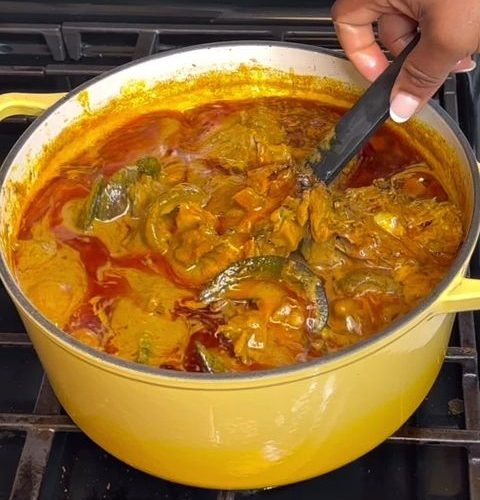
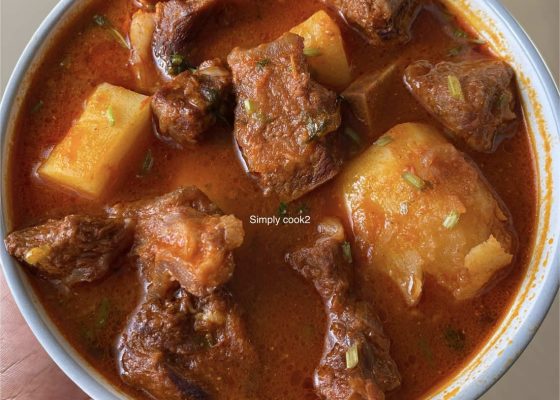
It’s called the “Queen of Niger Delta Soups,” and Banga Soup (Ofe Akwu) is a luxurious, aromatic delight made out of fresh cream obtained from oil palm fruit. Unlike other palm oil soups, which use processed palm oil, Banga Soup uses this fresh fruit cream, which gives it a nutty, silky look.
What really sets Banga Soup apart is the spice mix of the Delta region, which includes Beletete, Aidane, and Banga Spice, a mix of Orogbo, Oburunbebe sticks, etc. This gives it an earthy, herbal smell that just can’t be replicated. It’s served with Starch, but it’s also known to pair well with Pounded Yam or Semovita.
Health Benefits Of Banga Soup
1. Packed with Powerful Antioxidants (Vitamin E)
Palm fruit extract is rich in antioxidants, which include Tocotrienols and Tocopherols, commonly known as Vitamin E.
Cell protection: These antioxidants protect your body from free radicals, which can reduce your cancer risk and slow skin aging.
immune support: Vitamin E also keeps your immune system strong to fight bugs and viruses.
2. Loaded with Vitamin A for Vision
Banga soup is naturally rich in antioxidants, which include Beta-carotene, giving the soup its distinctive orange-red color.
Eye health: It turns to Vitamin A in your body, which is essential for healthy vision, preventing night blindness.
Skin health: It also helps repair your skin tissue, preventing damage from UV rays.
3. Heart-Healthy Fats and Vitamin K
Banga soup, though a fatty soup, contains a blend of both saturated and unsaturated fats.
Brain health: The palm fruit fat is essential for brain function, including the absorption of other vitamins.
Bone health: It also contains Vitamin K, which is essential for bone metabolism.
4. Medicinal Spices (Banga Spice Mix)
The spices used in making the Banga soup, such as Beletiete, Aidan fruit (Uyayak), and Oburunbebe stick, have been used for medicinal purposes for a long time.
Anti-inflammatory: These spices contain anti-inflammatory components, which can fight infections.
Postpartum healing: Like Ofe Nsala, Banga soup can be used to nourish new mothers, speeding up internal healing.
INGREDIENTS
| Palm Fruit (Akwu) | 1.5kg (Fresh or 1 large tin of concentrate) | |
| Beef or Goat Meat | 500g | |
| Fresh Catfish | 2 Medium (Cleaned and cut) | |
| Stockfish & Dry Fish | 200g | |
| Banga Spice Mix | 1.5 Tablespoons | |
| Oburunbebe Stick | 1 small piece | |
| Beletete Leaves | 1 Tablespoon (Dried/crushed) | |
| Ground Crayfish | 3 Tablespoons | |
| Scotch Bonnet (Atarodo) | 3 Pieces (Blended) | |
| Onion | 1 Small (Diced) | |
| Seasoning Cubes | 2 Cubes | |
| Salt | To taste |
Instructions:-
- Wash the fresh palm fruits and boil in a pot with water until the skin is soft and begins to crack.
- Place the boiled fruits in a mortar and pound gently (avoid breaking the nuts) until the husks are separated from the seeds.
- Add warm water to the pounded pulp, squeeze out the thick juice, and strain into a clean cooking pot using a sieve; repeat until all the extract is collected.
- Place the pot of palm fruit extract on the stove and bring to a boil until it thickens slightly and the oil begins to rise to the top.
- In a separate pot, cook your beef, stockfish, and diced onions with seasoning cubes until the meat is tender.
- Add the cooked meat, meat stock, and blended scotch bonnet peppers to the boiling palm fruit extract; stir gently.
- Add the Banga spice mix, the Oburunbebe stick, and the ground crayfish; let it cook for 10–15 minutes until the soup thickens further.
- Carefully drop the fresh catfish pieces into the soup (catfish cooks fast and breaks easily, so do not over-stir).
- Sprinkle the Beletete leaves over the soup; these leaves give Banga soup its signature dark color and herbal finish.
- Taste for salt and seasoning; let it simmer for another 5 minutes until the fish is cooked through and the oil has fully settled on top.
- Turn off the heat; now, ready to serve with Starch, Pounded Yam, or Eba.
Nutrition Facts
Serving Size: 6
Calories Per Serving: 480
% Daily Value
Total Carbohydrate
18g
7%
Cholesterol
95mg
32%
Total Fat
36g
46%
Saturated Fat
17g
85%
Unsaturated Fat
14g
Trans Fat
0.02g
Dietary Fiber
4g
14%
Protein
28g
56%
Sodium
520mg
23%
Sugars
2.2g
4%
Prep
40 minCook
45 min💡 Mistakes & Expert Advice
❄️ Storage & Reheating
How to Store
Banga Soup is incredibly stable because of its high oil content. It stays fresh in the refrigerator for 5 to 7 days. In the freezer, it can last for up to 2 months. In fact, many people say Banga tastes even better the next day after the spices have fully matured in the sauce.
Best Way to Reheat
Reheat on the stovetop over low heat. Because the palm oil solidifies in the fridge, the soup will look like a thick paste when cold. Do not add water immediately; as it warms up, the oil will melt and return the soup to its liquid state. Only add a tiny splash of water if it remains too thick after 5 minutes of heating.







No Comments