


Kung Pao Chicken Recipe
March 14, 2026 Chef Joe

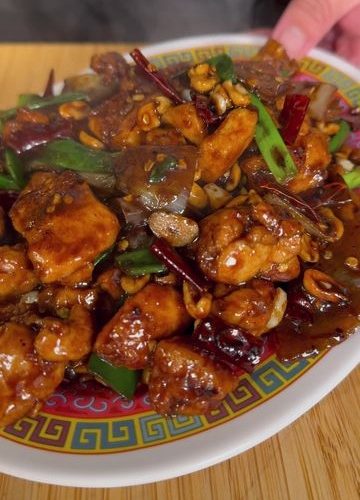
Kung Pao Chicken: A Masterclass in Balance
Kung Pao Chicken (GoˉngBaˇoJıˉDıˉng) is perhaps the most famous export of Sichuan cuisine. It is celebrated for its complex interplay of flavors—salty, sweet, sour, and spicy—and its contrasting textures of tender chicken against crunchy peanuts.
The Flavor Profile: “Lychee-Style”
In traditional Sichuan cooking, the sauce for Kung Pao Chicken is referred to as “Lychee-flavored” (lıˋzhıˉweˋi). This doesn’t mean it contains fruit; rather, it describes a specific ratio of vinegar, sugar, and soy sauce that mimics the delicate sweet-and-sour balance of a lychee.
The signature “numbing” heat comes from the combination of:
Sichuan Peppercorns: These provide the málà (numbing) sensation.
Dried Red Chilies: These are toasted in oil until blackened to provide a smoky, fragrant heat without being overwhelmingly spicy.
To achieve the silky texture found in professional kitchens, the chicken undergoes a process called velveting. The meat is marinated in a mixture of cornstarch, soy sauce, and Shaoxing wine. This creates a protective barrier, allowing the exterior to sear quickly in the wok while the interior stays moist.
A Modern Twist
While the classic version is hard to beat, the dish is highly adaptable. For those looking for a different profile:
Vegetarian: Firm tofu or cauliflower florets take on the smoky sauce beautifully.
Crunch Factor: Cashews or walnuts can be substituted for peanuts for a creamier, richer finish.
Greenery: Adding diced celery or bell peppers can provide extra freshness and color.
Health Benefits Of Kung Pao Chicken
High Quality Lean Protein: Chicken breast is rich in niacin and selenium, which are helpful in repairing cells and also boost immunity without consuming too much saturated fat.
Metabolism & Circulation Boost: Spicy dried red chilies (capsaicin) and Sichuan peppercorns contain compounds that will help increase your metabolism and circulation.
Heart-Healthy Monounsaturated Fats: Peanuts contain oleic acids and antioxidants like resveratrol, which are good for your heart and also help in cholesterol levels.
Anti-Inflammatory Aromatics: The fresh ginger and garlic used in this recipe contain anti-inflammatory compounds and are also helpful in maintaining digestive and breathing health.
Low Glycemic Impact: The protein-to-carbohydrate ratio is high in this recipe, which means it will provide sustained energy and prevent sudden spikes in blood sugar levels.
INGREDIENTS (For the Chicken & Marinade:)
| Chicken Breast | 500g (Cut into bite-sized cubes) | |
| Soy Sauce | 1 Tablespoon | |
| Rice Wine (or Dry Sherry) | 1 Tablespoon | |
| Cornstarch | 2 Teaspoons |
INGREDIENTS (For the Kung Pao Sauce):-
| Soy Sauce | 2 Tablespoons | |
| Chinese Black Vinegar (or Balsamic) | 1 Tablespoon | |
| Sugar | 1 Tablespoon | |
| Sesame Oil | 1 Teaspoon | |
| Cornstarch | 1 Teaspoon |
INGREDIENTS (For the Stir-fry):-
| Vegetable Oil | 3 Tablespoons | |
| Dried Red Chilies | 6–10 pieces (Sniped or whole) | |
| Sichuan Peppercorns | 1 Teaspoon (Optional for numbing heat) | |
| Garlic | 3 Cloves (Minced) | |
| Fresh Ginger | 1 Tablespoon (Minced) | |
| Green Onions | 3 stalks (Sliced, whites and greens separated) | |
| Roasted Peanuts | 1/2 Cup | |
| Red Bell Pepper | 1 Medium (Diced) |
Instructions:-
- In a medium bowl, combine the chicken cubes with the marinade ingredients (soy sauce, rice wine, and cornstarch). Stir well and let it sit for 15 minutes.
- In a separate small bowl, whisk together all the Kung Pao Sauce ingredients until the sugar and cornstarch are fully dissolved. Set aside.
- Heat 2 tablespoons of oil in a wok or large skillet over high heat until shimmering.
- Add the marinated chicken to the pan. Stir-fry for 3–4 minutes until golden brown and just cooked through. Remove the chicken from the pan and set aside.
- Wipe the pan if needed and add the remaining 1 tablespoon of oil.
- Lower the heat slightly and add the dried chilies and Sichuan peppercorns. Stir-fry for 30 seconds until fragrant and the chilies just start to darken (do not burn them).
- Add the garlic, ginger, bell pepper, and the whites of the green onions. Stir-fry for 1–2 minutes until the pepper is slightly tender.
- Return the cooked chicken and the roasted peanuts to the pan.
- Give the sauce mixture a quick re-stir and pour it into the pan.
- Toss everything constantly for 1 minute until the sauce thickens and coats the chicken in a glossy glaze.
- Stir in the green parts of the onions and serve immediately over hot white rice.
Nutrition Facts
Serving Size: 4
Calories Per Serving: 320
% Daily Value
Total Carbohydrate
12g
4%
Cholesterol
85mg
28%
Total Fat
18g
23%
Saturated Fat
3g
15%
Unsaturated Fat
9g
Dietary Fiber
2.5g
9%
Protein
28g
56%
Sodium
890mg
39%
Sugars
4g
8%
Prep
15 minCook
10 min💡 Mistakes & Expert Advice
❄️ Storage & Reheating
How to Store
Kung Pao Chicken stores well in an airtight container in the refrigerator for 3 to 4 days. It is not recommended for long-term freezing, as the texture of the bell peppers and peanuts will become soft and mushy once thawed.
Best Way to Reheat
For the best results, re-fry in a pan or wok over medium-high heat for 2–3 minutes. This helps the chicken stay firm and prevents the sauce from becoming too watery. If using a microwave, heat in 45-second intervals and stir in between.
Pro Tip: If the peanuts have lost their crunch during storage, you can quickly toast a fresh handful in a dry pan for 1 minute and sprinkle them on top after reheating!
No Comments