


Nigerian Yoruba Gbegiri Soup (Bean Soup) Recipe
April 1, 2026 Chef Joe

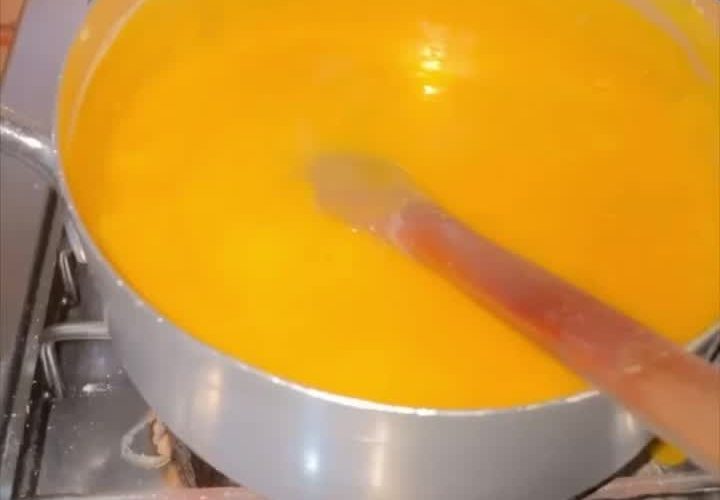
Gbegiri: A delicious and nutritious soup originating from the Southwestern part of Nigeria. It’s made from shelled beans. Unlike most Nigerian soups that may have an inconsistent consistency or be “chewy,” Gbegiri has a smooth, creamy, and lump-free texture, thus making it easy to digest. It’s most popularly served with Ewedu and Stew (as the traditional “Abula” of Yoruba Land) with Amala. It is very nutritious, hearty and excellent for both daily eating and occasional traditional servings.
Health Benefits Of Gbegiri Soup
1. Rich in plant-based protein:-
Beans are known to be protein-rich and make a great protein source especially for those who opt for a meat-free diet (when prepared without meat).
– Muscle maintenance and growth.
– A vegetarian-friendly option.
2. High in dietary fiber:-
High Fiber content in beans are good for digestion.
– Regular bowel movements.
– Prevents constipation.
3. Supports heart health:-
Eating beans helps improve the cardiovascular health of the heart.
– Reduces the risks of heart-related illness.
– Improve blood circulation.
4. Energy-boosting carbohydrates:-
Beans are also a good source of complex carbohydrate that is digested over a period of time thus providing the body with energy throughout the day and making you feel fuller for longer periods.
– Prolonged release of energy to the body.
– Good for sustained fullness.
5. Low in fat:-
If Gbegiri soup is cooked using the conventional method without adding too much oil, it can be considered low in fat.
– Suitable for weight management programs.
– healthy meal option.
INGREDIENTS
| Brown Beans (Honey Beans preferably) | 2 Cups (Soaked and peeled) | |
| Palm Oil | 2 Tablespoons | |
| Ground Crayfish | 2 Tablespoons | |
| Pepper (Scotch Bonnet) | 2 Pieces (Blended) | |
| Onions | 1 Small bulb | |
| Locust Beans (Iru) | 1 Small wrap (Adds traditional flavor) | |
| Seasoning Cubes | 2 Cubes | |
| Salt | To taste | |
| Water | As needed |
Instructions:-
- Prep the Beans: Soak the beans in water for about 30 minutes to soften the skin. Rub between your palms to remove the outer skin, then rinse thoroughly until only clean peeled beans remain.
- Cook the Beans: Place the peeled beans in a pot with water and chopped onions. Cook until very soft (almost mushy).
- Blend to Smooth Texture: Using a hand blender or regular blender, blend the cooked beans until completely smooth. Gbegiri should have no lumps.
- Return to Heat: Pour the blended mixture back into the pot. Add a little water if too thick and allow it to simmer.
- Add Palm Oil & Seasoning: Add palm oil, crayfish, blended pepper, seasoning cubes, and salt. Stir gently to combine.
- Add Locust Beans (Iru): Add the iru and allow the soup to cook for another 5–10 minutes.
- Final Simmer: Continue cooking until the soup becomes smooth, slightly thick, and well combined.
- Serve: Serve hot with Amala, preferably alongside Ewedu and stew for a complete traditional meal.
Nutrition Facts
Serving Size: 4
Calories Per Serving: 260
% Daily Value
Total Carbohydrate
30g
11%
Cholesterol
-1mg
-0%
Total Fat
8g
10%
Saturated Fat
2g
10%
Unsaturated Fat
4g
Dietary Fiber
7g
25%
Protein
14g
28%
Sodium
379mg
16%
Sugars
2g
4%
Prep
20 minCook
40 min💡 Mistakes & Expert Advice
❄️ Storage & Reheating
How to Store
Refrigeration: Store in an airtight container for up to 3 days.
Freezing: Can be frozen for up to 2 weeks.
Pro Tip: Gbegiri thickens after cooling. This is completely normal.
Best Way to Reheat
Stovetop (Highly Recommended): Heat gently and add a little water to loosen the texture. Stir continuously to maintain smoothness.
Microwave: Heat in short intervals, stirring between each round.
Important Note: Avoid overheating or leaving it unattended, as the thick texture can cause it to burn easily at the bottom.



No Comments