


Nigerian Bitter Leaf Soup Recipe
March 17, 2026 Chef Joe

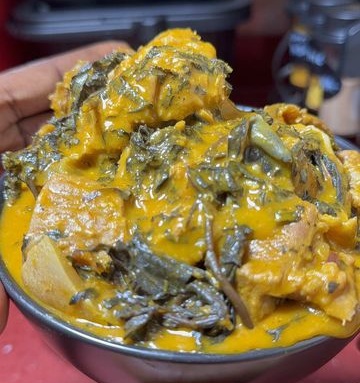
Despite the name, a well prepared Bitter Leaf Soup does not have an ounce of bitterness. The leaves are washed and squeezed several times until the bitterness is minimized and the aftertaste is pleasant. It is also served at traditional weddings and royalty events because of its depth and richness.
The Secret: The Thickener
Unlike other soups that are thickened with starch or flour, Ofe Onugbu is thickened with boiled and pounded coco yam (Ede). This creates a smooth and creamy texture for the soup that holds the palm oil and the stock together in harmony.
Health Benefits Of Bitter Leaf Soup
Natural Detoxifier: Bitter leaf, Vernonia amygdalina, is widely recognized for aiding the liver in flushing out toxins. Bitter leaf has compounds that promote the health of the kidneys and the liver.
Blood Sugar Regulation: The leaves have been proven to have plant compounds that regulate and reduce blood glucose levels. This is an amazing soup for the management of diabetes.
Rich in Essential Minerals: The combination of Coco-yam and bitter leaf provides the body with a lot of Potassium, Magnesium, and Calcium. These are important in maintaining low blood pressure and strong bones.
Anti-Parasitic & Antibacterial: Bitter leaf has been used to cure stomach upsets and intestinal worms. The bitter taste of the leaf, even after washing the leaves, provides the body with some antimicrobial benefits.
Digestive Aid: The high fiber content of the leaves and the Ogiri, which acts as a prebiotic, helps in maintaining the health of the digestive system.
INGREDIENTS
| Washed Bitter Leaves | 2 Large Handfuls (Bitterness removed) | |
| Coco-yam (Ede) | 8–10 Medium Bulbs (Thickener) | |
| Palm Oil | 1.5 Cooking Spoons | |
| Assorted Meat | 500g (Beef, Shaki, Cow Tripe) | |
| Stockfish & Dry Fish | 200g (Cleaned) | |
| Ground Crayfish | 3 Tablespoons | |
| Ogiri Igbo | 1 Small Wrap (Fermented oil seeds) | |
| Scotch Bonnet Peppers | 3–4 Pieces (Blended) | |
| Seasoning Cubes | 2 Cubes | |
| Salt | To taste |
Instructions:-
- Wash the coco-yam bulbs thoroughly and boil them with the skins on until they are very soft; peel them while hot and pound in a mortar (or blend with a little water) until a smooth, stretchy paste is formed. Set aside.
- In a large pot, place your assorted meat and stockfish with sliced onions and seasoning cubes; add enough water to cover and cook until the meat is tender.
- Add the cleaned dry fish and the blended scotch bonnet peppers to the boiling meat stock; let it simmer for 5 minutes.
- Pour in 1.5 cooking spoons of palm oil and add the 3 tablespoons of ground crayfish; stir and allow to boil for another 5 minutes.
- Add the Ogiri Igbo (this gives the soup its traditional pungent aroma); stir until it dissolves into the broth.
- Take the pounded coco-yam paste and drop small lumps of it into the boiling soup; cover the pot and leave to cook on medium heat until the lumps melt and thicken the soup.
- Once the soup has thickened, add the washed bitter leaves; (if the leaves are still too long, give them a quick chop first).
- Stir properly to combine; if the soup is too thick, add a little water or meat stock to reach your desired consistency.
- Taste for salt and seasoning; adjust if necessary and let it simmer for an additional 3 to 5 minutes so the flavors marry.
- Turn off the heat; now, ready to serve with Pounded Yam, Fufu, or Eba.
Nutrition Facts
Serving Size: 6
Calories Per Serving: 410
% Daily Value
Total Carbohydrate
22g
8%
Cholesterol
92mg
31%
Total Fat
24g
31%
Saturated Fat
11g
55%
Unsaturated Fat
9g
Trans Fat
0.02g
Dietary Fiber
6g
21%
Protein
26g
52%
Sodium
510mg
22%
Sugars
1.8g
4%
Prep
30 minCook
50 min💡 Mistakes & Expert Advice
❄️ Storage & Reheating
How to Store
Bitter Leaf Soup is one of the most durable Nigerian soups. It stays fresh in the refrigerator for 5 to 7 days. Because the coco-yam thickener is very stable, it also freezes perfectly for up to 2 months. Many people find that the soup actually tastes better on the second or third day as the flavors settle.
Note: Since you are using Ogiri, ensure your storage container is tightly sealed—that traditional aroma is wonderful in the soup, but it will take over your entire fridge if the lid isn't airtight!
Best Way to Reheat
Reheat on the stovetop over low heat. The soup will likely be very thick when cold (almost like a jelly). Add a small splash of water or meat stock to help it loosen up as it warms. Avoid high heat, as the coco-yam at the bottom of the pot can burn quickly if not stirred frequently during reheating.








No Comments